Manufacturers today face constant pressure to produce more, faster, and with fewer errors. CNC automation has become one of the most effective solutions for meeting these demands. By combining computer-controlled precision with automated processes, businesses can improve nearly every aspect of production. This guide explores the key CNC automation benefits for manufacturing and why more companies are adopting this technology.
What Is CNC Automation?
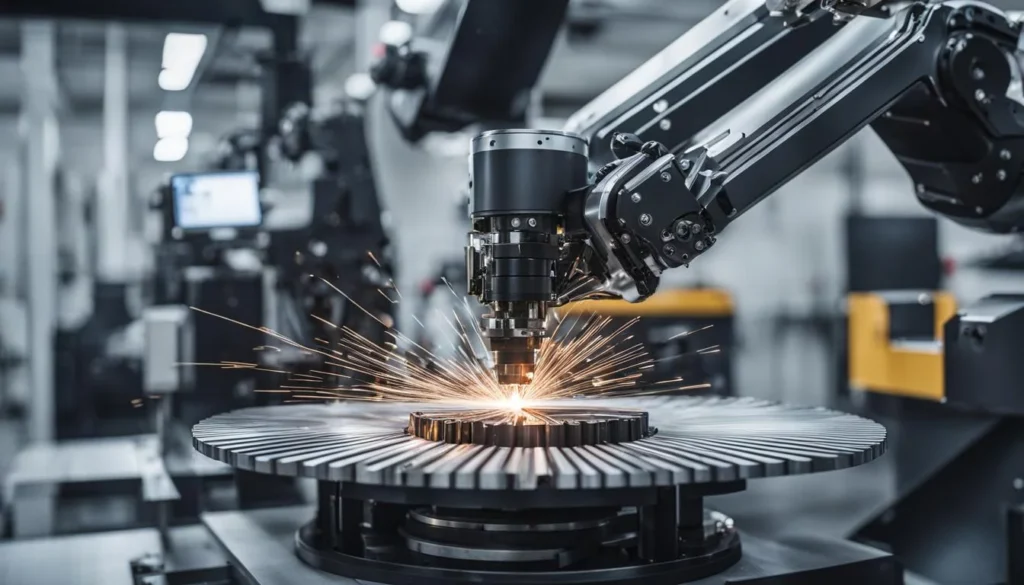
CNC automation refers to the use of computer-controlled machines to perform manufacturing tasks with minimal human intervention. These systems follow programmed instructions to cut, shape, and finish materials with exceptional accuracy.
Why Manufacturers Are Turning to Automation
As competition increases and labor costs rise, manufacturers need ways to boost efficiency without sacrificing quality. CNC automation addresses both challenges simultaneously.
Increased Production Speed
Continuous Operation Capabilities
Unlike manual machining, CNC automated systems can run continuously with minimal supervision. As a result, manufacturers can significantly increase output without adding extra labor hours.
Faster Setup and Changeover Times
Modern CNC systems often include automatic tool changers and programmable settings, reducing the time needed to switch between different jobs.
Improved Accuracy and Precision
Consistent Repeatability
CNC machines execute the exact same programmed instructions every time. Therefore, manufacturers can produce thousands of identical parts with minimal variation.
Reduced Human Error
Because automation removes much of the manual guesswork, errors related to fatigue, distraction, or inconsistent technique are significantly reduced.
Cost Savings Over Time
Lower Labor Costs
While CNC automation requires upfront investment, it reduces the need for extensive manual labor over time, lowering long-term operational costs.
Reduced Material Waste
Precise cutting and programmed toolpaths minimize material waste, which directly impacts profitability, especially when working with expensive raw materials.
Fewer Costly Mistakes
Automated systems catch errors early through simulation and real-time feedback, preventing defective parts that would otherwise waste time and resources.
Enhanced Product Quality
Tighter Tolerances
CNC automation allows manufacturers to achieve tolerances that would be nearly impossible with manual machining, which is critical for industries like aerospace and medical devices.
Consistent Surface Finishes
Automated systems maintain consistent cutting speeds and tool paths, resulting in smoother, more uniform surface finishes across every part produced.
Greater Production Flexibility
Easy Adaptation to Design Changes
Since CNC machines rely on programmed instructions, adjusting a design often only requires updating the CAM software rather than retooling the entire process.
Support for Complex Geometries
Multi-axis CNC automation makes it possible to produce intricate shapes and curves that would be extremely difficult or impossible to achieve manually.
Improved Workplace Safety
Reduced Manual Handling
Automation minimizes the need for workers to directly handle sharp tools or heavy machinery, reducing the risk of workplace injuries.
Safer Working Environment
Many CNC systems include safety enclosures and automatic shutoffs, further protecting operators from potential hazards during production.
Better Resource Management
Optimized Material Usage
CNC automation software often calculates the most efficient use of raw materials, reducing scrap and improving overall resource management.
Energy Efficiency Improvements
Modern CNC machines are often designed with energy-efficient components, helping manufacturers reduce power consumption during long production runs.
Scalability for Growing Businesses
Easier to Scale Production
As demand increases, manufacturers can scale production more easily with automated systems compared to relying solely on manual labor.
Consistent Quality at Higher Volumes
Even as production volume grows, CNC automation maintains the same level of accuracy and consistency, which is difficult to achieve with manual processes alone.
Competitive Advantage in the Market
Faster Turnaround Times
Because automated systems produce parts more quickly, manufacturers can offer shorter lead times, giving them a competitive edge over slower competitors.
Ability to Take on Complex Projects
With advanced multi-axis automation, manufacturers can accept more complex and specialized projects that require high precision, expanding their market opportunities.
Industries That Benefit Most From CNC Automation
Aerospace Manufacturing
Aerospace companies rely heavily on CNC automation to produce lightweight, high-precision components that meet strict industry regulations.
Automotive Production
In automotive manufacturing, CNC automation supports high-volume production of engine parts, chassis components, and custom fittings with consistent quality.
Medical Device Manufacturing
Medical device manufacturers use CNC automation to produce intricate, biocompatible parts that meet rigorous safety and precision standards.
Electronics and Consumer Products
CNC automation also plays a key role in producing precise components for electronics, from casings to internal mechanical parts.
Challenges to Consider Before Adopting CNC Automation
Initial Investment Costs
CNC automation systems require significant upfront investment in equipment, software, and training, which can be a barrier for smaller manufacturers.
Need for Skilled Operators
While automation reduces manual labor, it increases the demand for skilled programmers and technicians who understand CAD/CAM software and machine operation.
Ongoing Maintenance Requirements
To maintain consistent performance, CNC machines require regular maintenance, including calibration checks, tool replacement, and software updates.
How to Successfully Implement CNC Automation
Start With Clear Production Goals
Before investing in automation, manufacturers should identify specific goals, such as reducing lead times, improving accuracy, or increasing production volume.
Invest in Proper Training
Ensuring operators and programmers receive proper training helps maximize the benefits of automation while minimizing costly errors.
Choose Scalable Solutions
Selecting CNC systems that can grow with your business ensures long-term value as production needs evolve over time.
Final Thoughts
CNC automation offers manufacturers a powerful combination of speed, precision, and consistency that manual processes simply can’t match. From reduced material waste to improved workplace safety, the benefits extend across nearly every aspect of production. While the initial investment and training requirements are important considerations, the long-term advantages make CNC automation a valuable strategy for manufacturers looking to stay competitive in an increasingly demanding market.