Manufacturers often use the terms “CNC automation” and “industrial automation” interchangeably, but they aren’t the same thing. While related, each serves a distinct purpose within the manufacturing process. Understanding the difference between CNC automation vs industrial automation helps businesses make smarter decisions when investing in new technology. This guide breaks down both concepts clearly, comparing their functions, applications, and benefits.
What Is CNC Automation?
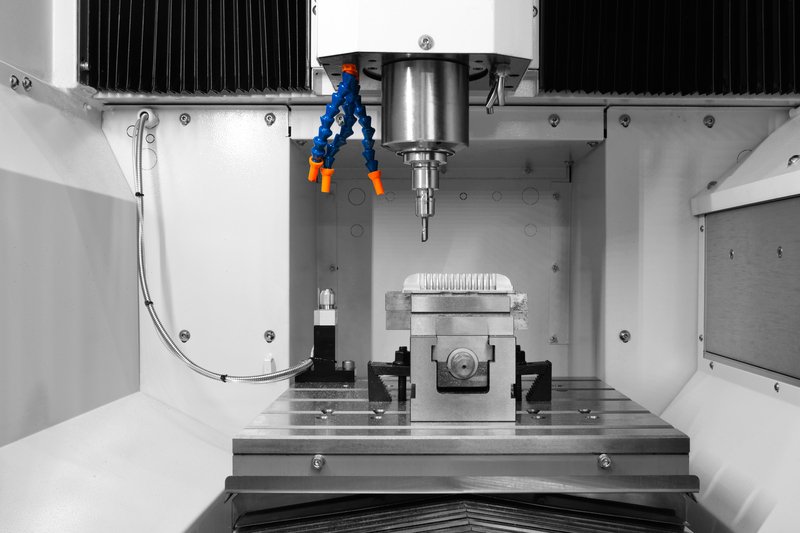
CNC automation refers specifically to computer-controlled machining processes. It uses programmed instructions, known as G-code, to guide cutting tools through precise movements like drilling, milling, or turning.
Core Function of CNC Automation
At its core, CNC automation focuses on shaping and cutting materials with high precision. It replaces manual machine operation with automated, repeatable processes controlled entirely by software.
Common Examples of CNC Automation
CNC milling machines
CNC lathes
CNC routers
CNC laser and plasma cutters
What Is Industrial Automation?
Industrial automation is a broader term that encompasses the use of control systems, robotics, and software to manage entire manufacturing processes, not just machining tasks.
Core Function of Industrial Automation
Industrial automation focuses on streamlining full production workflows, including material handling, assembly, packaging, and quality control, often across multiple machines and systems.
Common Examples of Industrial Automation
Robotic assembly arms
Automated conveyor systems
Programmable Logic Controllers (PLCs)
Automated quality inspection systems
Key Differences Between CNC Automation and Industrial Automation
Scope of Application
CNC automation is limited to machining processes, while industrial automation covers a much wider range of manufacturing activities, from material handling to final packaging.
Level of Integration
Industrial automation often integrates multiple systems, including CNC machines, robotics, and conveyor systems, into a single automated workflow, whereas CNC automation typically operates as one component within that larger system.
Primary Technology Used
CNC automation relies heavily on CAD/CAM software and G-code programming, while industrial automation often incorporates PLCs, sensors, and robotic control systems alongside software.
How CNC Automation Fits Within Industrial Automation
CNC as a Component of Larger Systems
In many modern factories, CNC machines serve as one piece of a much larger automated production line. For example, a robotic arm might load material into a CNC machine, which then completes the machining process automatically.
Seamless Communication Between Systems
Advanced manufacturing facilities often connect CNC machines with industrial automation software, allowing real-time data sharing between machining processes and overall production management systems.
Benefits of CNC Automation
High Precision Machining
CNC automation excels at producing parts with extremely tight tolerances, making it ideal for industries like aerospace and medical device manufacturing.
Reduced Manual Programming Errors
Because CAM software generates most of the machining instructions, CNC automation significantly reduces the risk of human error during programming.
Consistent, Repeatable Results
CNC machines execute the same instructions every time, ensuring consistent quality across large production runs.
Benefits of Industrial Automation
Streamlined Production Workflows
Industrial automation connects multiple stages of manufacturing, reducing bottlenecks and improving overall production efficiency.
Reduced Labor Costs Across the Entire Process
While CNC automation reduces labor in machining specifically, industrial automation extends these savings across material handling, assembly, and packaging as well.
Improved Safety Across the Factory Floor
By automating repetitive or hazardous tasks like heavy lifting and material transport, industrial automation improves overall workplace safety beyond just the machining process.
When to Choose CNC Automation Alone
Small to Medium Machining Operations
Businesses focused primarily on producing machined parts, without needing extensive material handling or assembly automation, often benefit most from standalone CNC automation.
Custom or Low-Volume Production
For custom or smaller production runs, standalone CNC automation offers the flexibility needed without the higher investment required for full industrial automation systems.
When to Invest in Broader Industrial Automation
High-Volume, Multi-Stage Manufacturing
Manufacturers producing large volumes of complex products across multiple production stages benefit significantly from integrating CNC automation into a broader industrial automation system.
Businesses Seeking Full Production Efficiency
Companies aiming to minimize manual labor across their entire manufacturing process, not just machining, should consider investing in comprehensive industrial automation solutions.
Challenges of CNC Automation
Limited to Machining Tasks
Since CNC automation focuses solely on cutting and shaping materials, it doesn’t address other manufacturing needs like assembly or packaging.
Requires Skilled CAM Programmers
Effective use of CNC automation requires operators skilled in CAD/CAM software and G-code programming, which involves ongoing training investment.
Challenges of Industrial Automation
Higher Upfront Investment
Because industrial automation involves multiple integrated systems, the initial investment is typically much higher than implementing CNC automation alone.
Increased System Complexity
Managing a fully automated production line, including robotics, sensors, and software integration, requires more advanced technical expertise and ongoing maintenance.
How These Technologies Work Together in Modern Manufacturing
Creating a Fully Automated Production Line
Many manufacturers combine CNC automation with robotic arms, conveyor systems, and automated inspection tools to create a seamless, end-to-end production process.
Real-World Example
For instance, a robotic arm might automatically load raw material into a CNC machine. Once machining is complete, another automated system could transport the finished part directly to packaging, all without manual intervention.
Making the Right Choice for Your Manufacturing Needs
Assess Your Production Goals
If your primary need is precise machining, CNC automation alone may be sufficient. However, if you’re looking to streamline your entire production process, broader industrial automation may offer greater long-term value.
Consider Your Budget and Scalability Needs
While CNC automation offers a lower entry cost, industrial automation provides greater scalability for businesses planning significant growth across multiple production stages.
Final Thoughts
While CNC automation and industrial automation share the common goal of improving manufacturing efficiency, they serve different purposes within the production process. CNC automation focuses specifically on precise machining tasks, while industrial automation encompasses a broader range of manufacturing activities, from material handling to final assembly. Understanding these differences helps manufacturers choose the right combination of technologies to meet their specific production goals, whether that means investing in standalone CNC machines or building a fully integrated automated production line.