CNC Automation Pakistan: A Complete Guide to Servo Motors, PLC & HMI Systems
Pakistan’s manufacturing sector — from textile mills in Faisalabad to woodworking workshops in Lahore — is steadily shifting toward automated production. At the center of this shift are three core components: servo motors, PLCs (Programmable Logic Controllers), and HMIs (Human-Machine Interfaces). Together, they form the backbone of modern CNC automation.
If you’re new to industrial automation or looking to upgrade an existing setup, this guide breaks down what these components do, why they matter, and how to source them reliably in Pakistan.
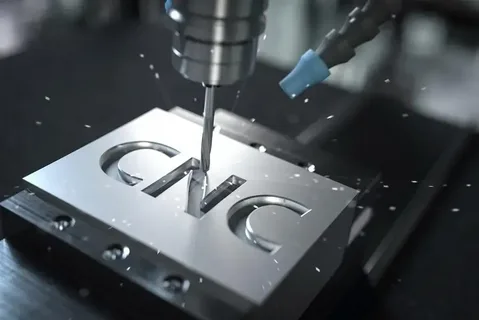
CNC (Computer Numerical Control) automation refers to the use of computer-controlled systems to operate machinery — cutting, milling, drilling, or assembling — with precision that manual operation simply can’t match. A CNC system typically combines:
A controller that reads the program and sends commands
Servo motors that physically move machine axes with precision
PLCs that manage machine logic and safety interlocks
HMIs that let operators monitor and control the process in real time
Servo Motors: The Muscle Behind Precision
Servo motors convert electrical signals into precise mechanical movement. Unlike standard motors, they use feedback (via an encoder) to constantly correct position, speed, and torque — which is why they’re essential for CNC machines, robotic arms, and textile equipment where accuracy directly affects product quality.
Popular servo motor brands used across Pakistani workshops include Yaskawa, Mitsubishi, Panasonic, Delta, and Leadshine — each offering different power ratings (from 400W to several kW) suited to different machine sizes.
PLC & HMI: The Brain and the Interface
A PLC is the decision-making unit of an automated machine. It processes sensor inputs, runs the control logic, and triggers outputs — starting motors, opening valves, or stopping a line if something goes wrong.
The HMI is the screen operators interact with. A well-configured HMI turns complex machine data into simple, readable controls, reducing training time and operator error on the shop floor.
Why Local Sourcing Matters
Importing automation parts individually can mean long lead times, customs delays, and uncertainty about authenticity. Working with a local supplier that stocks genuine components — and understands the practical wiring and programming challenges Pakistani workshops face — saves both time and money.
Final Thoughts
Whether you’re setting up your first CNC machine or automating a full production line, understanding the roles of servo motors, PLCs, and HMIs is the first step toward a reliable, efficient system. In the next posts in this series, we’ll go deeper into choosing the right servo motor, comparing PLC/HMI brands, and picking the correct CNC controller for your application.
Have questions about a specific automation project? Feel free to reach out — we’re always happy to talk through wiring, part selection, or troubleshooting.