CNC Controller Pakistan: Everything You Need to Know Before You Buy
The CNC controller is the command center of any CNC machine — it reads your design file (G-code), translates it into precise movement instructions, and coordinates the servo motors, spindle, and other machine components in real time. Choosing the wrong controller can limit what your machine is capable of, no matter how good your motors or mechanics are.
Interprets G-code (the machine’s instruction language)
Coordinates multi-axis movement with precise timing
Manages spindle speed, tool changes, and safety interlocks
Provides the interface for setting up and running jobs
Types of CNC Controllers
Standalone controllers run independently once a program is loaded, without needing a constant PC connection — useful for workshops where reliability and simplicity matter more than advanced features.
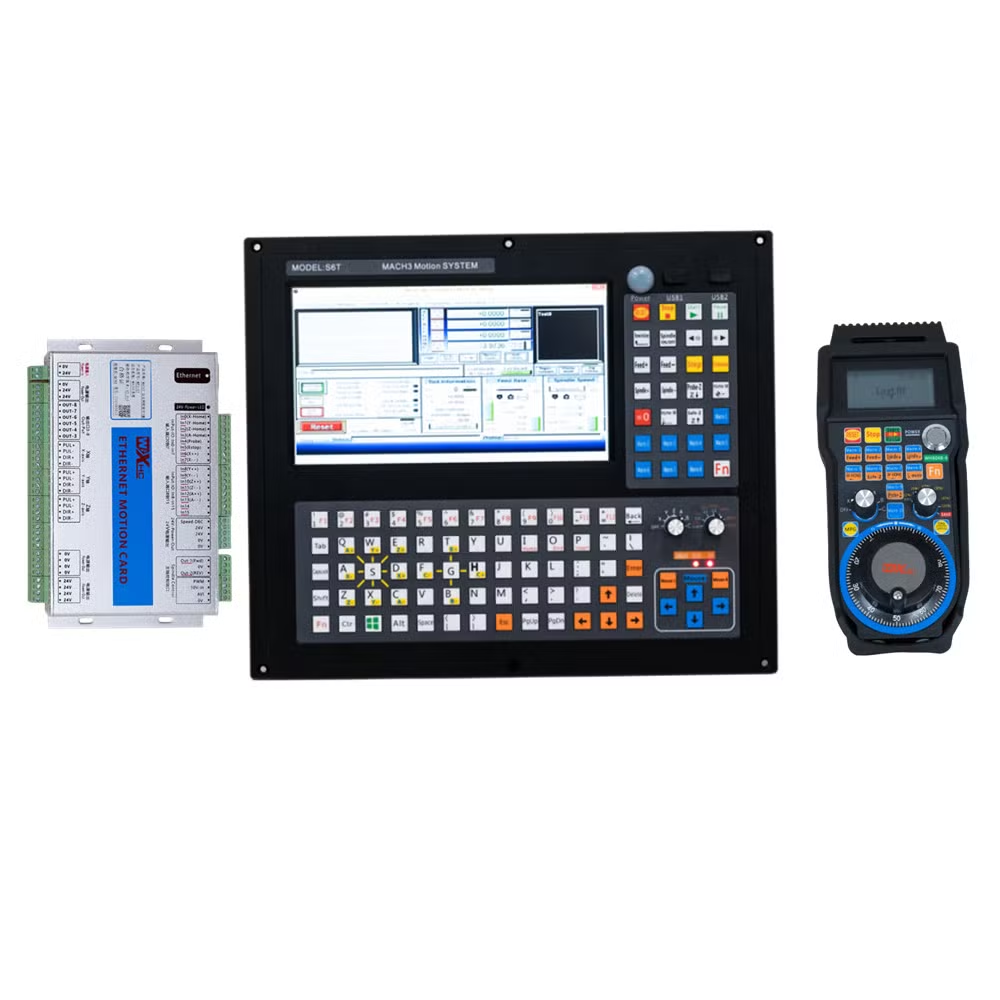
PC-based controllers rely on software running on a connected computer, offering more flexibility for complex or custom operations but requiring a dedicated, stable PC setup.
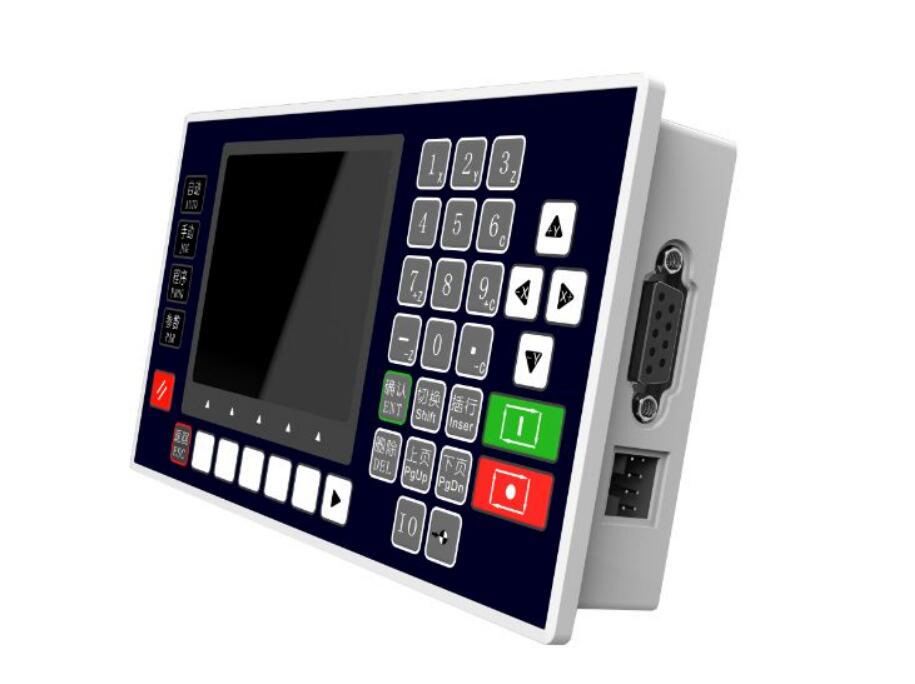
Embedded/panel controllers combine the control unit and display in a single industrial panel — common in production environments where space and durability matter.
What to Look for When Buying
Number of axes supported — make sure the controller matches your machine (3-axis, 4-axis, 5-axis, etc.)
Compatible motor/driver types — confirm the controller works with your chosen servo or stepper motors
Software/interface language support — some controllers offer better documentation and support in commonly used software
Build quality for your environment — dust, humidity, and power fluctuations are real concerns in many Pakistani workshops, so industrial-grade components matter
After-sales support — controllers occasionally need firmware updates or parameter adjustments; local support saves significant downtime
Common Mistakes to Avoid
Buying a controller before finalizing motor and driver selection, leading to compatibility issues
Choosing the cheapest option without checking build quality, which often results in signal noise or erratic movement
Skipping proper grounding and shielding during installation, a common cause of controller malfunctions in industrial settings
Final Thoughts
A CNC controller ties your entire machine together, so it’s worth taking the time to match it carefully to your motors, axis count, and working environment. When in doubt, consult with a supplier who can confirm compatibility before you commit to a purchase.
Up next: a buyer’s guide to spindle motors for CNC and woodworking machines.