Linear Guide Rail Pakistan: A Guide to Precision Motion for CNC Machines
Linear guide rails work alongside ball screws to support and guide the moving axes of a CNC machine, ensuring smooth, accurate, and stable motion. Choosing the right guide rail system directly impacts your machine’s precision, rigidity, and long-term reliability.
What Does a Linear Guide Rail Do?
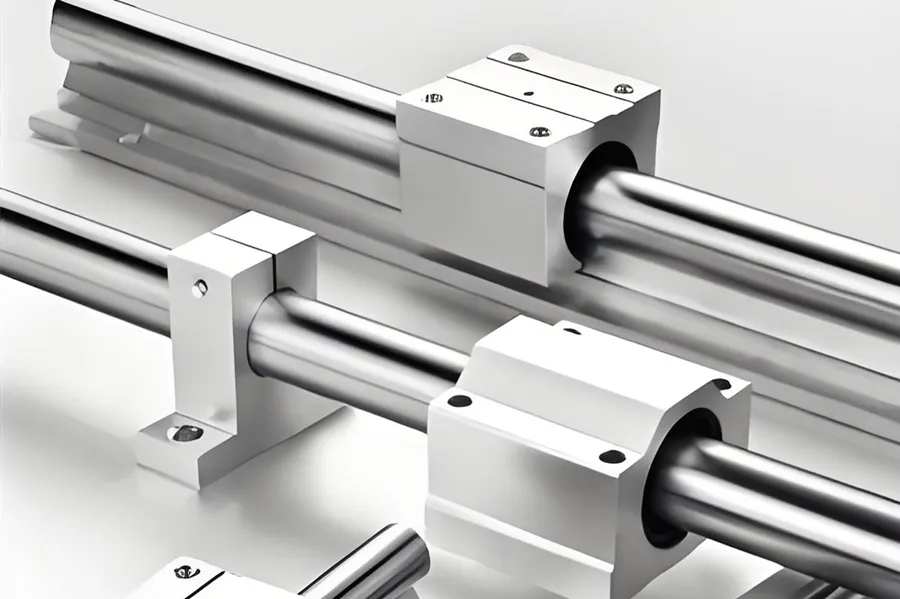
A linear guide system consists of a hardened steel rail and a sliding block (carriage) containing recirculating ball bearings. It supports the load of the moving axis while allowing smooth, low-friction linear movement — critical for maintaining cutting accuracy on a CNC machine.
Types of Linear Guide Systems
Square/profile linear rails — the most common type in CNC machines, offering high rigidity and load capacity in multiple directions
Round linear shafts with bushings — simpler and more affordable, suited to lighter-duty applications like small routers or 3D printers
Miniature linear rails — used in smaller, precision applications like laser engravers
Key Factors to Consider
Rail Size
Common sizes include 15mm, 20mm, and 25mm rail widths. Larger rails offer greater load capacity and rigidity, suited to heavier machines or longer spans.
Load Rating
Match the rail and carriage load rating to your machine’s axis weight, including the gantry, spindle head, and any mounted tooling — underestimating load leads to premature wear and reduced accuracy.
Precision Grade
Higher precision grades reduce play and improve repeatability, particularly important for detailed CNC work like engraving or fine-tolerance machining.
Number of Carriages per Rail
Using two carriages per rail (rather than one) significantly improves stability and reduces wobble on longer axes.
Matching Guide Rails to Ball Screws
Linear guide rails and ball screws work as a system — it’s important to ensure both are sized appropriately for your machine’s load and travel distance, and that mounting surfaces are properly aligned to avoid binding or uneven wear.
Final Thoughts
A well-matched linear guide rail system is what keeps a CNC machine’s motion smooth, accurate, and consistent over time. Pairing the right rail size and precision grade with your machine’s load requirements — and aligning it correctly with your ball screw — is key to long-term performance.