Spindle Motor Pakistan: A Buyer’s Guide for CNC and Woodworking Machines
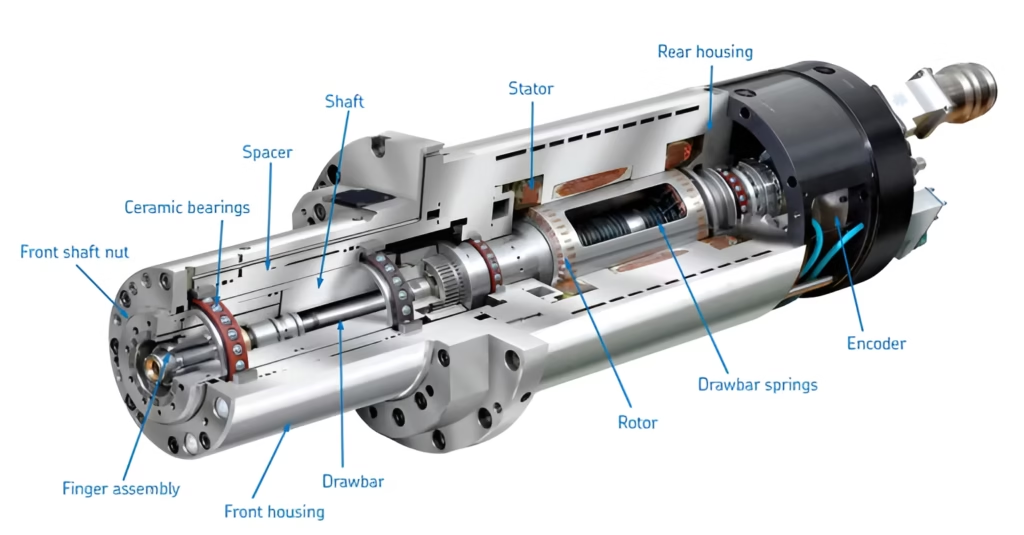
The spindle motor is what actually does the cutting on a CNC machine — spinning the tool bit at high speed to shape wood, metal, acrylic, or other materials. Choosing the right spindle motor affects cut quality, machine lifespan, and how wide a range of materials you can work with.
The spindle motor holds and rotates the cutting tool. Its power, speed range, and cooling method determine what materials it can handle and how clean the final cut will be. A mismatched spindle — too weak for the material, or running at the wrong RPM — leads to poor finishes, tool wear, and even damage to the workpiece or machine.
Key Factors to Consider
Power Rating (kW)
Spindle motors typically range from around 1.5kW for light woodworking to 2.2kW–6kW+ for heavier industrial cutting. Match the power rating to your material:
Wood and soft plastics: 1.5kW–2.2kW is usually sufficient
Aluminum and harder plastics: 2.2kW–3kW
Steel and dense metals: 3kW and above, often paired with additional cooling
Cooling Method: Air-Cooled vs. Water-Cooled
Air-cooled spindles are simpler to maintain and better suited for lighter-duty or intermittent use. Water-cooled spindles run quieter and handle sustained heavy loads better, but require a cooling system and more maintenance.
RPM Range
Most CNC spindle motors run somewhere between 12,000–24,000 RPM. Higher RPM generally suits finer detail work and softer materials, while lower RPM with higher torque suits denser materials.
Collet Compatibility
Make sure the spindle’s collet size matches the tool bits you plan to use — this is often overlooked and can limit your tooling options after purchase.
Choosing a Reliable Supplier
Spindle motors run for long hours under continuous load, so build quality directly affects downtime and replacement costs. Look for suppliers offering genuine components with clear power and RPM specifications, and — ideally — technical support for VFD (Variable Frequency Drive) programming, since spindle speed control depends on correct VFD parameter settings.
Final Thoughts
Getting the spindle motor right means balancing power, cooling, and RPM range against the materials you actually work with — not just picking the highest-powered option available. A well-matched spindle motor, properly configured with its VFD, will deliver cleaner cuts and a longer machine lifespan.
If you have questions about any part of your setup — feel free to reach out for guidance at CNC Automation