CNC automation has transformed how products are designed and manufactured. It offers speed, precision, and consistency that manual machining simply can’t match. However, like any technology, it comes with trade-offs manufacturers should understand before investing. This guide breaks down the key advantages and disadvantages of CNC automation, helping you decide if it’s the right fit for your business.
What Is CNC Automation?
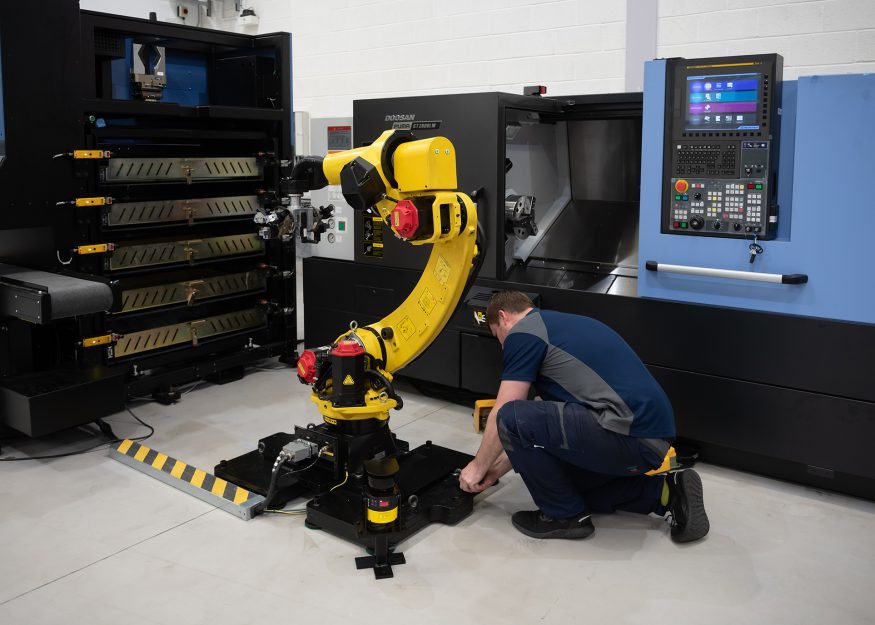
CNC automation uses computer-controlled systems to guide machines through manufacturing processes like cutting, drilling, and shaping. Instead of relying on manual operators for every movement, programmed instructions handle production with minimal human input.
Why Understanding Both Sides Matters
Before investing in CNC automation, manufacturers need a clear picture of both its strengths and limitations. This balanced view helps avoid costly mistakes and unrealistic expectations.
Advantages of CNC Automation
1. Increased Production Speed
CNC machines can run continuously with minimal supervision. As a result, manufacturers can produce parts much faster than with manual methods, especially for repetitive tasks.
2. Improved Accuracy and Consistency
Because CNC machines follow exact programmed instructions, they produce identical parts every time. Therefore, quality remains consistent even across large production runs.
3. Reduced Human Error
Automation minimizes mistakes caused by fatigue, distraction, or inconsistent technique. Consequently, fewer defective parts make it through the production line.
4. Lower Long-Term Labor Costs
While CNC systems require upfront investment, they reduce the need for extensive manual labor over time. This often leads to significant cost savings down the road.
5. Enhanced Workplace Safety
With automation handling much of the cutting and shaping process, workers face less direct exposure to sharp tools and heavy machinery. Additionally, most CNC systems include safety enclosures and automatic shutoffs.
6. Ability to Produce Complex Geometries
Multi-axis CNC machines can create intricate shapes and curves that would be extremely difficult, or even impossible, to achieve manually.
7. Reduced Material Waste
Precise cutting paths and optimized toolpaths help minimize scrap material, which is especially valuable when working with expensive raw materials.
8. Greater Production Flexibility
Adjusting a design often only requires updating the CAM software rather than retooling the entire process. This makes it easier to adapt to design changes quickly.
9. Scalability for Growing Businesses
As demand increases, manufacturers can scale production more easily with automated systems compared to relying solely on manual labor.
Disadvantages of CNC Automation
1. High Initial Investment Costs
CNC machines, software, and training require significant upfront capital. For smaller manufacturers, this cost can be a major barrier to entry.
2. Need for Skilled Operators and Programmers
While automation reduces manual labor, it increases the demand for skilled technicians who understand CAD/CAM software and machine operation.
3. Ongoing Maintenance Requirements
CNC machines require regular maintenance, including calibration checks, tool replacement, and software updates, to maintain consistent performance over time.
4. Limited Flexibility for One-Off Projects
For small, custom, or one-time production runs, the time spent programming and setting up a CNC machine may not be cost-effective compared to manual methods.
5. Software and Hardware Compatibility Issues
Not all CAD/CAM software works seamlessly with every CNC machine. Therefore, manufacturers must carefully choose compatible systems to avoid integration problems.
6. Downtime During Breakdowns
When a CNC machine malfunctions, production can come to a complete stop until repairs are made. This downtime can be costly, especially for time-sensitive orders.
7. Job Displacement Concerns
As automation reduces the need for manual labor, some traditional machining jobs may be affected, requiring workers to reskill for programming or supervisory roles.
Weighing the Pros and Cons for Your Business
Consider Your Production Volume
High-volume manufacturers often benefit significantly from CNC automation’s speed and consistency, while smaller operations may find the investment harder to justify.
Evaluate Part Complexity
If your products require intricate geometries or tight tolerances, the advantages of CNC automationlikely outweigh the initial costs and learning curve.
Assess Your Budget and Growth Plans
Businesses planning to scale production should factor in both the upfront investment and long-term savings when deciding whether automation makes sense.
Industries Where CNC Automation Advantages Outweigh Disadvantages
Aerospace Manufacturing
Aerospace companies rely on CNC automation for lightweight, high-precision components, where the benefits of accuracy and consistency far outweigh the initial investment.
Automotive Production
High-volume automotive manufacturing benefits greatly from CNC automation’s speed and repeatability, making the upfront costs worthwhile over time.
Medical Device Manufacturing
Given the strict precision requirements in medical device production, CNC automation’s advantages in accuracy and consistency are essential rather than optional.
Industries Where CNC Automation May Have More Drawbacks
Small-Batch Custom Fabrication
For businesses focused on one-off custom projects, the setup and programming time required for CNC automation may not justify the investment compared to manual machining.
Startups With Limited Capital
New manufacturing businesses with tight budgets may find the high upfront costs of CNC automation challenging, at least until production volume increases.
How to Minimize the Disadvantages of CNC Automation
Invest in Proper Training
Providing thorough training for operators and programmers helps reduce errors and maximizes the return on your automation investment.
Choose Scalable, Compatible Systems
Selecting CNC machines and software designed to grow with your business helps avoid costly compatibility issues down the line.
Schedule Regular Preventive Maintenance
Consistent maintenance reduces the risk of unexpected breakdowns, minimizing costly downtime during production runs.
Final Thoughts
CNC automation offers substantial advantages, including improved accuracy, faster production, and long-term cost savings, making it a valuable investment for many manufacturers. However, the high upfront costs, maintenance requirements, and need for skilled operators are important disadvantages to consider. By carefully evaluating your production volume, part complexity, and budget, you can determine whether CNC automation aligns with your business goals and helps you stay competitive in today’s manufacturing landscape.